
Strategy Session Hold and Win Games Expert Gaming Advice
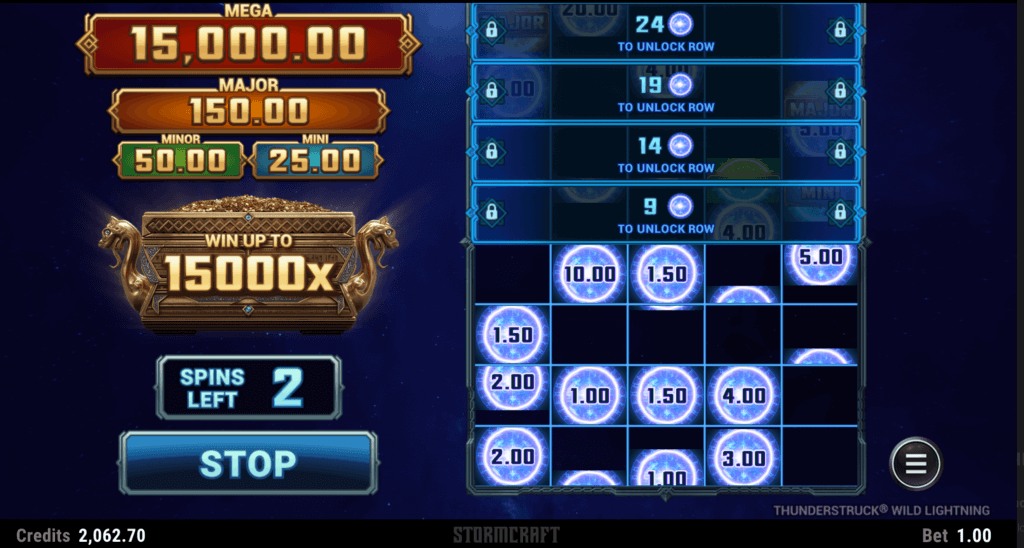
We have dedicated extensive time analyzing the patterns of Hold and Win slots, and we are eager to disclose what really shifts the outcome hold-and-win.eu.com. These games are not just about blind luck. They favor a strategic approach. From cash pot collection mechanics to respin triggers, every detail can be tackled more effectively. Join us as we explore the professional strategies that distinguish thoughtful players from the masses.
Grasping the Hold and Win System
The core allure lies in the locked symbol re-spin function. Unique symbols stay fixed while the rest of the reels re-spin. We consider this a dual-phase challenge. The base game is your reconnaissance task, collecting information and preserving resources. The bonus round is where you apply your tactics, monitoring how the grid fills and how the reset counter behaves with every fresh symbol that lands on the grid.
We routinely review the prize table before wagering any money. Certain games attach set jackpot amounts to the locking symbols. Other games employ multipliers that link directly to your total stake. A Mini or Minor pot might seem trivial, but when gathered over several re-triggers, they create the foundation of consistent profits. Never ignore the smaller fixed prizes. They are your fund stabilizers.
Our experience shows that the interval between regular spins often masks subtle behaviour patterns. When you trigger the Hold and Win feature, observe closely how many symbols landed naturally versus those produced by a specific grid enhancer. A genuine three-scatter trigger tends to yield more retriggers than a randomly awarded entry. Knowing this lets you adjust your session aggression on the fly.
Leveraging Bonus Buy Features Strategically
The direct purchase option appeals to our need for speed, but we analyse the mathematics coldly. If a bonus buy costs one hundred times your stake and the average return from the feature is eighty-five times, you are statistically sacrificing money for the thrill of instant access. We only engage the buy button when the game’s posted RTP for the bought feature sits above ninety-six percent.
We evaluate the enhanced RTP of the purchased bonus with the base game’s standard return. Some developers deliberately move the long-term payback in favour of the bonus buy to justify the high entry cost. If we identify this edge, we designate a specific buy-it budget separate from the grinding bankroll. We restrict ourselves to three consecutive buys and stop if the respin feature does not provide a decent payout.
Our favourite technique entails half-funding the buy from base game winnings. If we hit a fifty-times win organically, we mentally earmark a portion for a single bonus purchase. This hybrid approach satisfies the craving for immediate action without bleeding the core stack. It also maintains us connected to the natural rhythm of the reels rather than turning the session into a sterile purchasing experiment.
The Art of Setting Profit and Loss Caps
We establish a strict stop-loss limit before we actually log in. A 30 percent loss of the session bankroll is our standard trigger to walk away. The Hold and Win bonus can entice you into assuming that the next spin will finally unlock the feature. A controlled exit prevents the emotional fog that leads to reckless deposit top-ups. We consider a stop-loss as a serious tool, not a defeat.
Win goals are just as vital. If we secure a large Grand Jackpot or a sequence of retriggers that increase our balance, we right away withdraw the original deposit plus a portion of profit. Keeping only a portion of the winnings to continue playing guarantees a winning session. We have observed too many players give back a massive multiplier simply because the respin grid kept hinting promises it could not keep.
We also suggest a session timer limit. Forty-five minutes is our sweet spot. Beyond that, fatigue weakens decision-making, especially when deciding whether to purchase a bonus feature or keep spinning the base game. Set an alarm on your mobile, and when it chimes, obey the finish line. The Hold and Win games will continue to be there tomorrow, and so will your leftover balance.
Picking the Right Hold and Win Slot
We seldom rely purely on a game’s visual theme or marketing hype. Instead, we scrutinize the mathematical architecture. Review the paytable for the maximum win cap and the distribution of the Grand Jackpot. A slot that caps wins at five thousand times your stake but rarely pays beyond a thousand times acts in a different way from one intended for frequent mini-resets. Your game choice should align with your risk appetite.
Certification and jurisdiction are important deeply to us. In the UK market, we insist on studios licensed by the UK Gambling Commission. Providers like Pragmatic Play, iSoftBet, and Playson have established track records with clear mechanics. We steer clear of uncertified titles where the respin algorithm might seem manipulated. A verified random number generator guarantees the Hold and Win feature runs precisely as the help file describes.
We also cross-reference the documented hit frequency of the feature. Some slots get you into the bonus round about every one hundred and twenty spins. Others need triple that patience. If we are spinning a session during a weekday evening with constrained time, we prefer a more frequent trigger rate to sustain momentum. Weekend warriors with deeper pockets can handle the slower burn of a high-volatility beast.
Understanding Risk and RTP Cycles
A theoretical return to player percentage is only half the story. We scrutinize the volatility rating, often concealed in the game info under descriptions like “high risk” or a lightning bolt icon. A Hold and Win slot with ninety-six percent RTP and extreme volatility can erase fifty consecutive buy-ins before delivering a colossal Grand Jackpot. We prefer understanding this reality before the first spin.
We have discovered to read the frequency of near-miss triggers. If two bonus scatters taunt the screen multiple times without the third landing, the game might be signalling its current cold cycle. This observation is not superstitious. It reflects the designed distribution curve. We use these moments to reduce our stakes rather than frustratedly pressing the max bet button. Patience during false starts preserves your war chest.
Many UK-facing casinos now present real-time RTP ranges for specific slots. We use this data to our advantage. If a game is operating at the lower end of its configured band during our session, we move to an alternative Hold and Win title from the same provider. The switch breaks the monotony and often places us in front of a more generous seed, giving the respin pot a chance to gain momentum again.
Bankroll Control for Marathon Sessions
We separate our total session budget into specific unit portions before loading a single reel. A typical error is adjusting bets relative to the balance number on the screen. Instead, we calculate a minimum of two hundred units for a Hold and Win session. If your selected slot needs a twenty pence minimum spin, that equates to a forty pound starting float to give the game enough breathing room.
Changing the coin size dynamically stays one of our sharpest tools. When we detect a extended dry spell in the base game, we lower the bet level to preserve ammunition for the certain bonus wave. Once the feature hits and we secure a good cash pot, we might push the stake up slightly to capitalise a felt positive rhythm. We only do this if the profit cushion allows it.
We view every deposit as an entertainment expense with a potential upside, never as a retrieval fund. The mental trap of hunting a respin bonus can drain a balance in under ten minutes. By strictly sticking to a per-spin percentage of no more than one half of one percent of your total session bankroll, you build enough spins to weather the natural ebb and flow of the reels.
Demo Mode vs Real Money Practice
We suggest recording several hundred spins in free mode when trying a new Hold and Win title. Free play uncovers the operational nuances without any monetary risk. Watch how often the respin counter restarts, take note of the mean quantity of sticky symbols per bonus, and absorb the usual interval between feature triggers. This knowledge creates the foundation for your paid attack.
We advise against relying excessively on demo results, nevertheless. The algorithm operates in the same way, but the psychological pressure of a live balance alters your choices. In practice mode, you might go after every retrigger aggressively. With actual money, the dread of losing changes your decision timing. We use demo mode purely to understand the feature’s design, not to anticipate winning patterns.
Moving to paid play should take place at the minimum wager to begin with. We call this the adjustment stage. Spend just ten pounds at minimum bet to verify that the live version works as the demo taught you. Once you feel the authentic stress of a near-miss with actual money and handle it composedly, you can raise step by step. This gradual method develops the psychological strength essential for longer sessions.
Planning Your Sessions for Peak Enjoyment
We steer clear of peak distraction hours like early evening when servers can lag and personal focus gets weakened by the day’s residue. A calm late morning or a quiet weekday afternoon permits sharper concentration on the respin reels. When you are mentally fresh, you notice the subtle rhythm shifts and make clearer staking decisions. Quality of attention directly affects the quality of your Hold and Win experience.
We also take into account the promotional landscape. UK casino brands frequently host leaderboard races or cash drops tied to specific Hold and Win games. Aligning your session with these windows offers an overlay of extra value without changing your core strategy. Earn loyalty points, collect free spins rewards, and pursue dual objectives while the respin feature does its work in the main game.
Never play under the influence of alcohol or when emotionally unsettled. We have seen rational budgets evaporate because a tired mind convinced itself that the next Grand Jackpot was overdue. Keep a water bottle nearby, take a five-minute screen break every half hour, and view the session as skilled entertainment. A clear head makes a sharp player, and Hold and Win titles demand that sharpness.
We also treat the seasonal cycles with respect. New game releases often carry a built-in promotional boost period where casinos feature them prominently. These fresh titles sometimes exhibit a slightly more generous early seeding to attract positive word of mouth. We keep a release calendar handy and try fresh Hold and Win slots within the first week, always with a modest stake to probe the waters.
Evading Common Emotional Traps
The sunk cost fallacy hits the hardest during a prolonged respin drought. You have injected time and money, so walking away feels like admitting waste. We recast this by convincing ourselves that the next spin is an independent event. The base game does not promise you a bonus just because you have endured a dry spell. Exit the tab and revisit another day with a clean mental slate.
We watch for the “just one more retrigger” greed loop. Once the Hold and Win feature has filled a large portion of the grid and you have already bagged the Major Jackpot, grabbing the payout is prudent. Pushing for a last symbol that rarely appears can collapse the entire pot. We define a target of gathering seventy percent of the grid’s potential and secure the profit.
The illusion of control deceives many players into thinking that tapping the screen or altering spin speed influences the respin outcome. We know the algorithm does not consider your finger pressure. Acknowledging true randomness is freeing. It enables you to focus on the adjustable elements like stake sizing, limit adherence, and game selection rather than burning energy on superstitions that have no basis in the coded reality.
We also track our speech patterns. Phrases like “I am due a big win” signal emotional drifting. Swap that with “My bankroll has contracted, time to lower my bet or log out.” This linguistic shift keeps us anchored to the strategic framework. A professional mindset treats a losing session as a tuition fee for learning, not a catastrophe that demands immediate, irrational revenge betting.
